
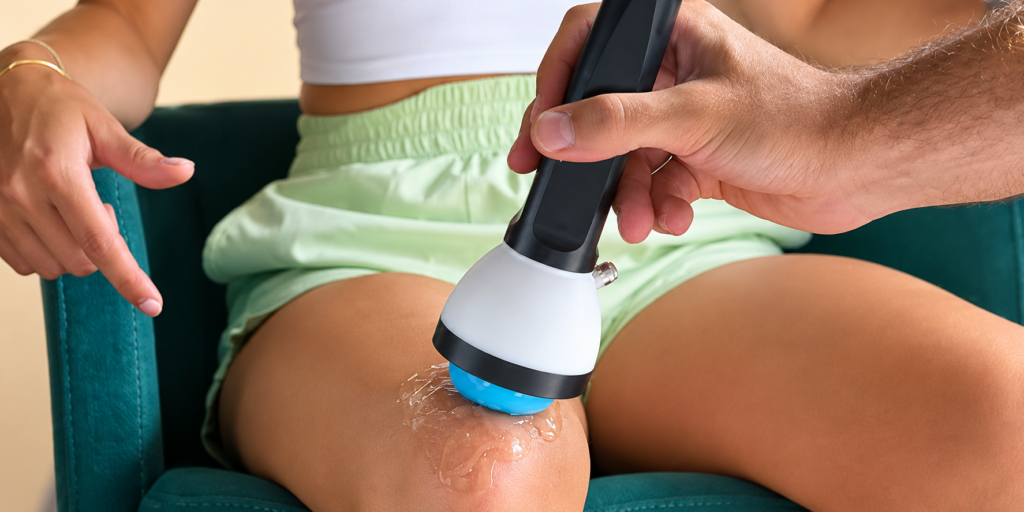
If you’ve typed “stemwave therapy near me” into a search bar, you’re probably past the research stage. You’ve read about what stem wave therapy is, and you’re ready to find out whether it can help with pain that hasn’t budged. The question now is who you should trust to deliver it.
StemWave has spread quickly. Chiropractic offices offer it, and so do physical therapy clinics, wellness centers, and med spas. The device may look the same from one place to the next. The care around it often doesn’t.
The short answer: A good StemWave provider reviews your health and medications before treatment. They’re honest about whether your condition is likely to respond, and they treat StemWave as one part of your recovery plan rather than the whole plan. Being nearby matters, but who is overseeing your care matters more.
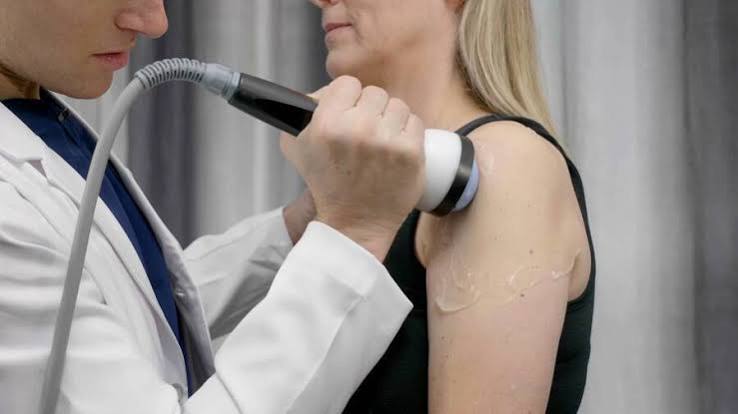
Why “StemWave Therapy Near Me” Is Only Half the Question
Location is a fair thing to care about. StemWave is delivered over several sessions, and a clinic that’s easy to reach makes it far more likely you’ll show up for all of them. A course of treatment you abandon halfway won’t do much for you.
Still, convenience only gets you through the door. What matters just as much is what happens once you’re there. Someone should ask about your medications. Someone should decide whether you’re actually a good candidate. And someone should notice if you aren’t getting better. A clinic ten minutes away isn’t a good deal if nobody is doing those things.
What Separates a Qualified Provider From a Clinic That Owns the Device
Buying a StemWave device is easy. Using it well, on the right patients, takes more. Chirag D. Patel, MD, FACC, FSCAI, RPVI, who supervises StemWave Therapy at AvaOne, describes the difference this way:
“A qualified StemWave provider will provide a comprehensive review of the patient’s current health status and offer StemWave as an adjunctive treatment for the patient’s pain, rather than a one-size-fits-all approach.”
- Chirag D. Patel, MD, FACC, FSCAI, RPVI
That health review isn’t a formality. Dr. Patel does not recommend StemWave for people who are actively undergoing cancer treatment, taking a blood thinner, or actively using NSAIDs such as Advil or Motrin. The same goes for anyone who has had a cortisone injection in the past 30 days, or anyone with a pacemaker or implanted defibrillator. A clinic that never asks about any of these is skipping the step that protects you.
The second half of his answer matters just as much. StemWave works best as one piece of a broader plan. A provider who presents it as the whole answer is overselling it.
5 Questions to Ask Any StemWave Provider Before You Book
Bring these to any consultation, including ours.
- Who reviews my health history and medications before treatment, and is a physician involved? You want a real answer here, not a clipboard form nobody reads.
- How do you decide whether my condition is a good fit? A thoughtful provider will ask what you’ve already tried and how long the pain has been around. “Everyone’s a candidate” is a warning sign.
- How many sessions should I expect, and when should I notice a difference? An honest answer will mention multiple sessions and a gradual response.
- How does StemWave fit with the rest of my care? It should complement your physical therapy and other treatment, not replace them.
- What happens if I’m not improving? Look for regular check-ins and a willingness to change course or refer you elsewhere.
Red Flags to Watch For
A few signs suggest a provider is selling a device rather than providing care.
Promises of fast results. Dr. Patel says the most common misconception he sees is that patients expect relief within one or two sessions:
“StemWave requires multiple sessions to show longer lasting improvement.”
- Chirag D. Patel, MD, FACC, FSCAI, RPVI
Guarantees or “cure” language. No honest clinician guarantees outcomes for long-standing pain.
Stem cell confusion. StemWave is acoustic wave therapy. It doesn’t involve stem cells, and a provider who blurs that line is either misinformed or misleading you.
No health questions before treatment. If nobody asks about your medications, implanted devices, or recent injections, screening isn’t happening.
Pressure to commit on the spot. Be cautious about “today only” offers made before you’ve been properly evaluated.
What a Good First Visit Should Look Like
Wherever you go, your first appointment should feel like a medical evaluation, not a sales pitch. By the end of it, you should have:
- Gone over your health history and current medications, including anything that would rule treatment out
- Had a hands-on assessment to find the specific areas driving your pain
- Heard an honest view of how well your condition tends to respond
- Received a clear plan covering the number of sessions, how they’re spaced, and how progress will be checked
- Gotten aftercare guidance and a way to reach someone with questions
If you’re pregnant or managing another medical condition, mention it at this visit so it can be reviewed before treatment begins.
StemWave Works Best as Part of a Bigger Plan
This is the point Dr. Patel most wants patients to understand before choosing where to go:
“StemWave is an adjunctive treatment to the patient’s current pain management plan, which includes physical therapy, occupational therapy, aquatic therapy, nutrition, exercise, and sleep hygiene.”
- Chirag D. Patel, MD, FACC, FSCAI, RPVI
In practice, that means you shouldn’t have to give up the care that’s already helping you. If a provider suggests you can stop your physical therapy because StemWave will handle it, treat that as a red flag. The best provider for you is one who asks what else you’re doing and builds around it.
How StemWave Works at AvaOne
At AvaOne, StemWave Therapy is delivered by Vanisha Patel, StemWave Therapist and Lifestyle Coach, under the supervision of Chirag D. Patel, MD, FACC, FSCAI, RPVI, a board-certified interventional cardiologist. Several of the reasons StemWave isn’t right for someone, including blood thinners, pacemakers, and defibrillators, sit squarely within a cardiologist’s expertise. That’s why your screening is overseen by one.
Getting started takes three steps:
- A complimentary 15-Minute Discovery Assessment by phone or video, whichever you prefer. We talk through your pain, your history, your medications, and the care you’re already receiving.
- A Mapping Assessment. If StemWave looks like a good fit, this first in-person visit pinpoints the areas driving your pain and sets up your treatment plan.
- Your treatment sessions, with your progress reviewed along the way.
Appointments are available on weekdays, and Saturday visits can be arranged by appointment. For directions and hours, visit our Edison, NJ, location. To learn more about the treatment itself, see our StemWave Therapy page.
AvaOne is a self-pay practice. Please review our Self-Pay Practice Notice for eligibility details before scheduling.
Frequently Asked Questions
How do I find StemWave therapy near me?
Start with providers within a reasonable travel distance, since StemWave involves several visits over a few weeks. Then look past location. Ask whether a physician oversees screening, whether your health history and medications are reviewed before treatment, and how progress is measured. A qualified provider will treat StemWave as one part of your pain management plan, explain honestly whether your condition is likely to respond, and give you a clear plan before you commit.
How many StemWave sessions will I need?
Most people need multiple sessions, and expecting improvement within one or two visits is a common misconception. StemWave works gradually, so longer lasting results usually come from a full course of treatment spread over several weeks. The exact number depends on your condition, how long you have had symptoms, and how your body responds. Because you will visit several times, choosing a provider that fits your schedule and checks your progress regularly makes it easier to finish your plan.
What should I bring to my first StemWave appointment?
Bring a list of your current medications and supplements, especially blood thinners and anti-inflammatory drugs such as Advil or Motrin. Also note the date of any recent cortisone injection and any implanted device, such as a pacemaker or defibrillator. Imaging reports and notes from physical therapy or other treatment are helpful too. Wear loose clothing that allows easy access to the treatment area, and be ready to describe when your pain started and what makes it better or worse.
About the Medical Reviewer
Chirag D. Patel, MD, FACC, FSCAI, RPVI. Chirag D. Patel is board-certified in interventional cardiology, general cardiology, internal medicine, and echocardiography. He has been recognized as a top interventional cardiologist from 2022 through 2025 and leads the AvaOne Vitality Program, the practice’s flagship preventive longevity membership. His clinical focus is preventive cardiology, advanced cardiovascular risk stratification, and integrated lifestyle medicine for adults who want a proactive, physician-led approach to long-term heart health.